Since I was little, I’ve always been intrigued by people’s comments, especially when they point out how much family members look alike. It seems that, for society, highlighting resemblance is important. But what’s most curious is that I’ve caught myself doing the same thing, pointing out similarities between people, even when I know they don’t share DNA.
I saw it growing up, when people commented on the whether there was a resemblance or not between members of my family. I see it now, when many say that my best friend and I look more alike than my sister and I. And, of course, I see it with my children.
Naturally, there are physical traits that make resemblance easier, such as hair color, eye color, skin tone, body type, and even gender. But it wasn’t until about ten years ago that I learned resemblance isn’t always inherited through DNA.
In a conversation with an adoptive dad, he told me about studies showing that people who share deep emotional bonds unconsciously begin to mirror each other’s gestures, expressions, and even tone of voice.
Researchers call this affective attunement,and it’s been documented in scientific studies as well as adoption resources such as ConsideringAdoption.com.
This attunement explains how the bond formed between parents and children from the very first months of life leads babies to begin mirroring their parents’ facial expressions, gestures, and emotional responses. When a baby smiles and the adult smiles back, when they connect through eye contact, tone of voice, or movement, a shared pattern of communication and expression begins to form.
Over time, that synchrony becomes so deep that it creates similarities that go beyond DNA.
In our case, people often comment on how much we look alike, even those who don’t know our adoption story. Honestly, even I’m amazed sometimes.
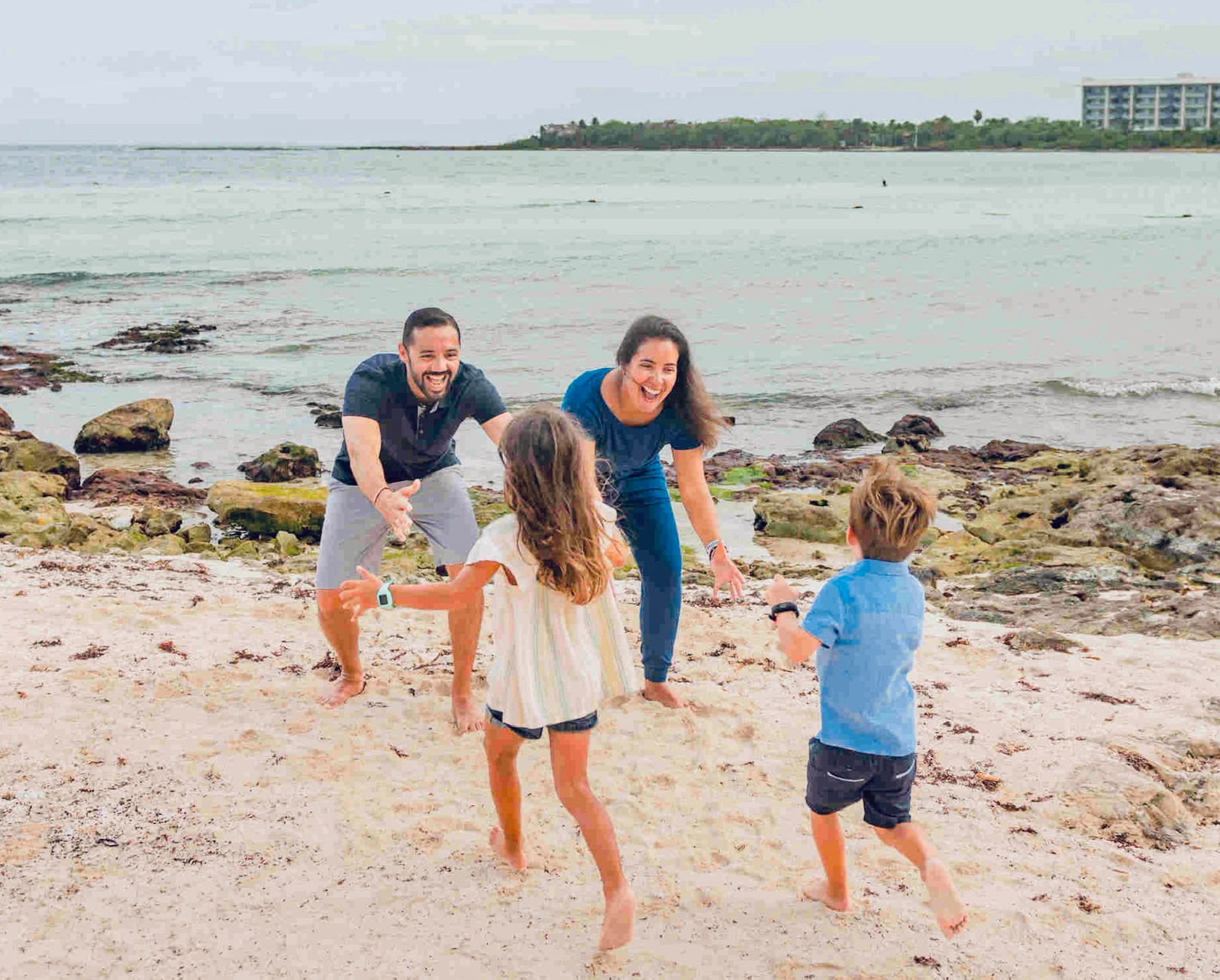
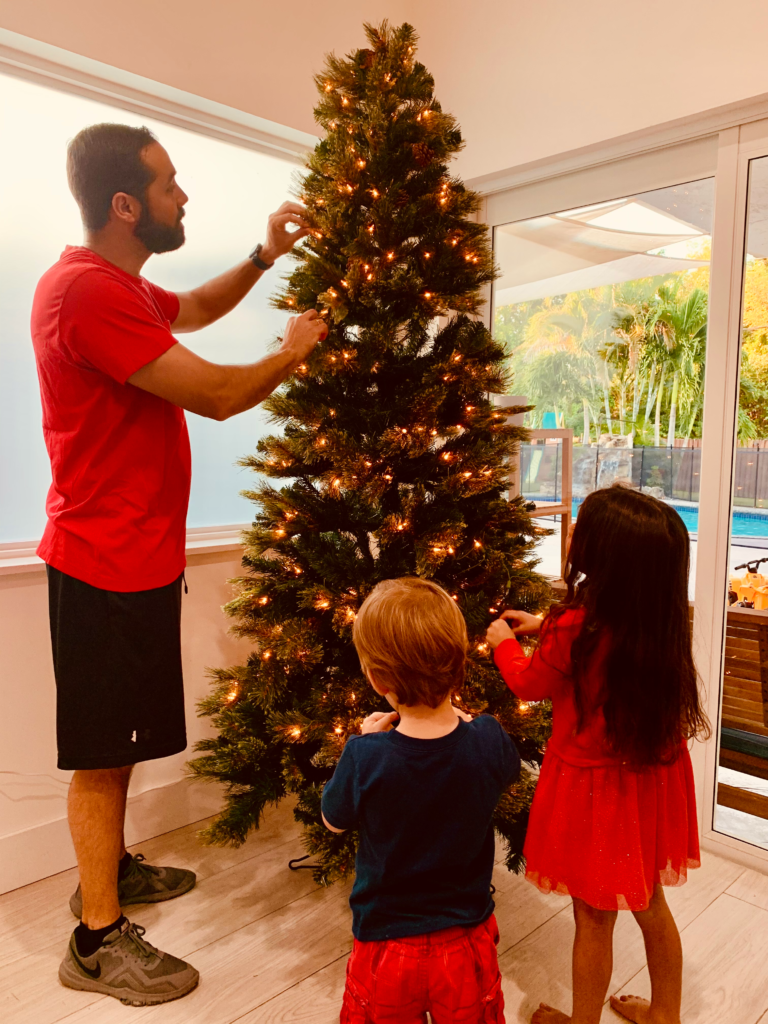
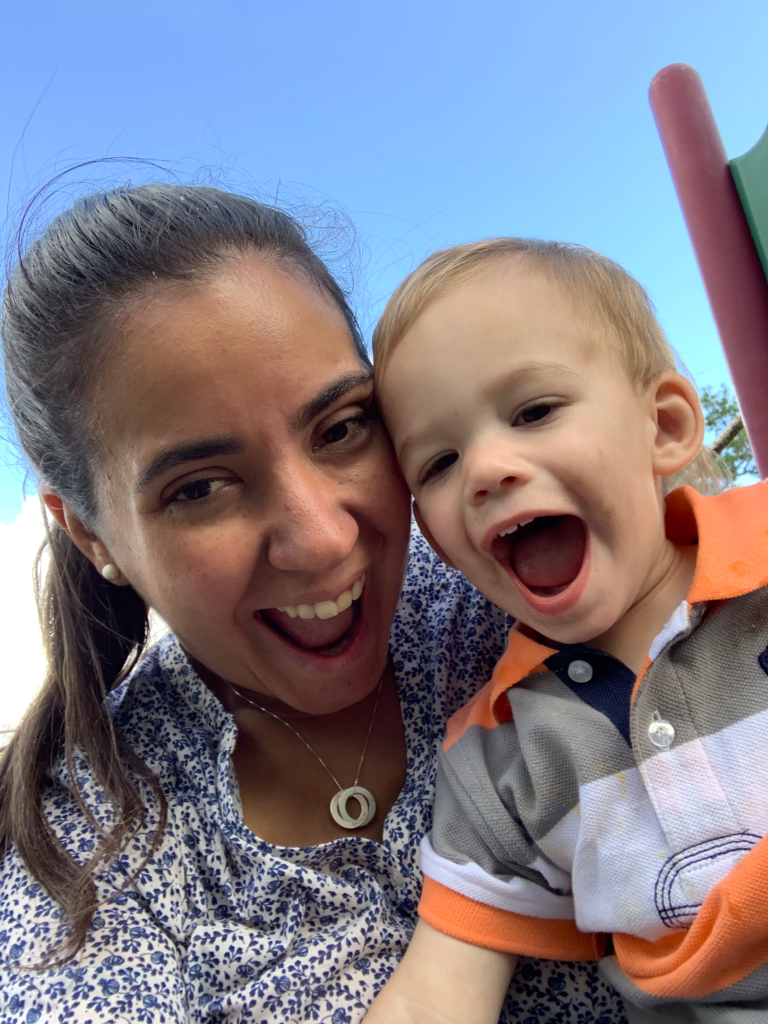
My daughter often looks like my photocopy. Yes, it’s true that we share some physical traits, but what surprises me most are the similarities in attitude, gestures, virtues, and especially flaws. It’s like seeing a mini version of myself. My husband and son, on the other hand, also share physical and behavioral traits, their agility, their fearlessness, their curiosity… even their body language is completely in sync.
Many times, people even notice resemblances between our kids and our extended family—saying they look like cousins, uncles, grandparents, even great-grandmothers. And honestly, that makes sense. They’ve all become part of the same synchrony that makes us a family.
For me, physical resemblance has never been a priority. In fact, even before we started our adoption journey, when we were only dreaming about building our family, I always imagined adopting children of different races from our own.
Following the agency’s recommendation, we decided to adopt within our own race, since people often emphasize visible similarities and, according to specialists, children find comfort in seeing themselves reflected in their parents.
I can’t change the fact that society constantly seeks these similarities, often unconsciously and sometimes in ways that lead to awkward comments.
But what I can nurture is the understanding that, at the end of the day, beyond all comparisons, studies, and opinions, what truly matters is the kind of kinship that doesn’t come from DNA, the one built through everyday life, love, and connection.
But I can invite us to focus more on the similarities that go beyond the physical, the ones that really matter, like integrity, kindness, empathy, and compassion. Those are the true traits we want our children to inherit. The most authentic kind of family resemblance doesn’t come from DNA it comes from love and the beautiful synchrony we build together.
Grateful to have you here, heart to heart.
Melli